Research & Evidence Generation
Building the Evidence Base for Global Scale-Up
Lesu is leading and supporting rigorous research to evaluate the effectiveness and safety of insecticide-treated fabrics across different contexts and use cases to strengthen the evidence base and maximize life-saving impact.
We work closely with researchers, ministries of health, implementing organizations, and manufacturers to ensure studies answer the practical questions required for policy adoption and real-world deployment.
As with any emerging public health intervention, safety remains central to our research efforts. Based on existing data we are confident insecticide-treated fabrics are safe and life-saving. We are adding to the evidence base by closely monitoring for adverse events and have incorporated detailed safety assessments in our studies, including serial neurodevelopmental screenings, to ensure insecticide-treated fabrics meet the highest standards for maternal and child safety. Learn more about pyrethroid safety and our ongoing safety monitoring efforts on our Evidence & Safety page.
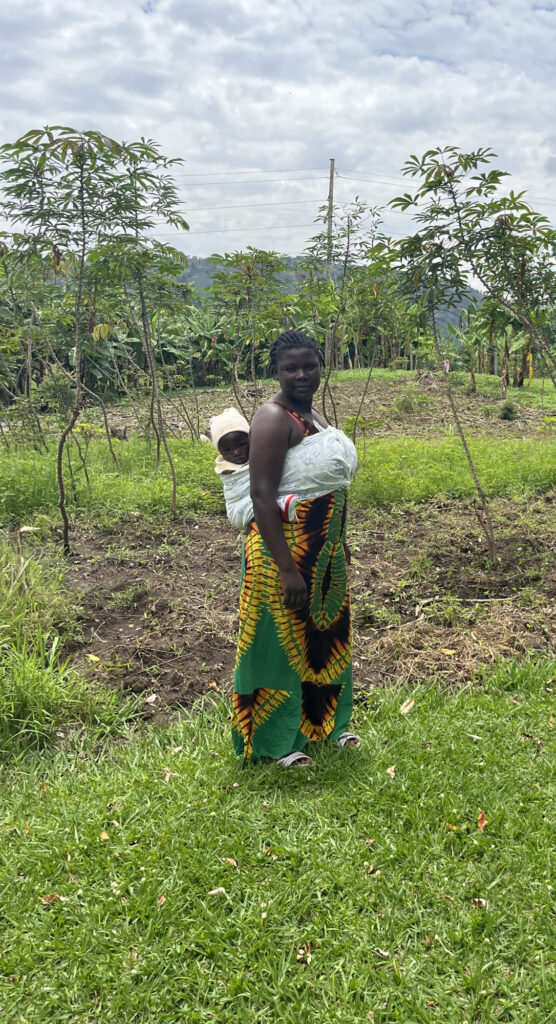
Our Research
Our research is designed to bridge the full evidence gap between promising early findings and large-scale adoption. We lead and support studies across every stage, from foundational safety and efficacy research to multisite clinical trials and real-world implementation pilots evaluating delivery, uptake, affordability, and impact. Together, this evidence will enable governments, funders, and implementation partners to scale insecticide-treated baby wraps with confidence.
Our work includes:
- Randomized controlled trials
- Implementation research
- Operational pilots
- Durability and wash-resistance studies
- Safety monitoring
- Cost-effectiveness analyses
- Qualitative behavioral and acceptability investigations
- Feasibility and acceptability studies
Clinical Evidence:
Completed Studies
| Study Title & Timeline | Design and Setting | Impact Results | Safety Evaluation | Funders & Partners* |
|---|---|---|---|---|
Permethrin-Treated Baby Wraps for the Prevention of Malaria – New England Journal of Medicine Duration: 2022 – 2024 | Double-blind, randomized, placebo-controlled trial comparing permethrin soak-treated wraps to sham-treated (control) wraps to prevent malaria in children under 2 years of age. Distribution: Study team at health center Participants: 400 children total, 200 per arm Country: Uganda | 66% reduction in malaria cases and 50% reduction in hospitalizations in children carried in permethrin-treated wraps compared to sham-treated wraps. | Adverse events occurred in 34 children: 20 (10.0%) in the intervention group and 14 (7.0%) in the control group. Rash was the most frequently reported event, occurring in 17 children (8.5%) in the intervention group and in 12 (6.0%) in the control group. All rashes were mild, none led to trial discontinuation. One case of severe malaria was observed in the control group. No serious adverse events were observed in the intervention group. | Funder:
Partners:
|

Active Research
| Study Title & Timeline | Design and Setting | Impact Results | Safety Evaluation | Funders & Partners* |
|---|---|---|---|---|
|
Factory-treated, long-lasting insecticide-treated baby wraps for the prevention of malaria: A Phase III clinical trial Launch: June, 2026 |
Double-blind, randomized, placebo-controlled trial comparing factory-treated permethrin wraps to sham-treated (control) wraps for the prevention of malaria in children under 2 years of age. Distribution: Immunization Clinics Participants: 750 children total, 375 per arm Country: Uganda |
Effectiveness of factory-treated permethrin wraps in preventing malaria in children under 2 years of age. Feasibility and acceptability of distributing permethrin-treated wraps through public immunization clinics. Entomological: Impact of factory-treated permethrin wrap use on mosquito density and pyrethroid resistance. |
Safety monitoring of all children enrolled for any adverse events. Scheduled growth and neurodevelopmental screening exams. |
Funders:
Partners
|
|
Permethrin-treated baby wraps for the prevention of malaria in refugee settings Launch: June, 2026 |
Double blind, randomized, placebo-controlled trial comparing permethrin factory-treated to soak-treated to sham-treated (control) wraps in a refugee settlement to prevent malaria in children under 2 years of age. Distribution: Refugee Facility Staff Participants: 450 children total, 150 per arm Country: Uganda |
Effectiveness of factory vs soak-treated permethrin wraps in preventing malaria in displaced children under 2 years of age living in refugee settlements. Feasibility and acceptability of distributing permethrin-treated wraps in a refugee settlement. |
Safety monitoring of all children enrolled for any adverse events. Scheduled growth and neurodevelopmental screening exams. |
Funder:
Partners
|
|
Neurocognitive Safety Evaluation of Children Carried in Permethrin-Treated Baby Wraps Launch: July, 2026 |
Blinded neurocognitive follow up evaluation of all children from initial 2022 – 2024 Permethrin-Treated Baby Wraps for the Prevention of Malaria study in Uganda (described above). Participants: 400 children total, 200 per arm in initial trial. Country: Uganda |
Effect of permethrin-treated baby wraps on the neurodevelopment of children. | Is there a neuroprotective benefit by preventing cases of severe malaria in the children carried in treated wraps, or a previously unidentified risk using permethrin-treated wraps? |
Funder:
Partners
|
|
Wrapping Malaria Prevention into Routine Care: A Trial of Retreatment Schedules for Permethrin-Treated Lesus in Western Uganda Launch: July, 2026 |
Double-blind, randomized, placebo-controlled trial comparing permethrin soak-treated wraps on 6-month vs 9-month retreatment schedules vs sham-treated (control) wraps to prevent malaria in children under 2 years of age. Distribution: Immunization Clinics Participants: 600 children total, 200 per arm. Country: Uganda |
Effectiveness of permethrin soak-treated wraps retreated on two different schedules in preventing malaria in children under 2 years of age. Feasibility and acceptability of distributing permethrin-treated wraps through government-run immunization clinics. |
Safety monitoring of all children enrolled for any adverse events. Scheduled neurodevelopmental screening exams. |
Funder:
Partners
|
Historical Data
| Study Title & Timeline | Design and Setting | Impact Results | Safety Evaluation | Funders & Partners* |
|---|---|---|---|---|
Permethrin-treated baby wraps for the prevention of malaria: results of a randomized controlled pilot study in rural Uganda. Duration: Oct 2019 – March 2020 | Randomized, placebo-controlled pilot study of permethrin-treated wraps in children 6–18 months of age to evaluate safety, feasibility, and acceptability of intervention. Distribution: Study team at health center Participants: 50 children total, 25 per arm. Country: Uganda | Permethrin-treated baby wraps were well-tolerated, acceptable, and present a feasible new intervention for malaria prevention. Satisfaction with the treated wraps was high with all responding participants willing to recommend and pay extra for a treated wrap. Not designed or powered to measure efficacy. | One self-resolving rash reported in intervention arm, did not prompt caregiver to stop using the wrap or withdraw from the study. No serious adverse events. | Funder:
Partners:
|
Permethrin-treated chaddars and top-sheets: appropriate technology for protection against malaria in Afghanistan and other complex emergencies. Duration: July – Nov 1996 | A randomized controlled trial of permethrin-treated chaddars and top-sheets for protection against malaria in an Afghan refugee camp. Distribution: Refugee facility staff Participants: 102 families, 51 per arm Country: Pakistan | Permethrin-treated chaddars provided 64% protection against falciparum malaria and 38% protection against vivax malaria among refugees younger than 20 years of age. Incidence in refugees older than 20 years of age was not significantly reduced. The treated chaddars were well-tolerated and acceptable. 65% of respondents said they would pay for treatment the following year. 35% said they were too poor to purchase treatment. | No reported adverse reactions from either the treatment process or during normal wear. | Funders:
Partners:
|
*UNC Chapel Hill: University of North Carolina at Chapel Hill; MUST: Mbarara University of Science and Technology; PHEALED: People’s Health and Economic Development; LSHTM: London School of Hygiene and Tropical Medicine